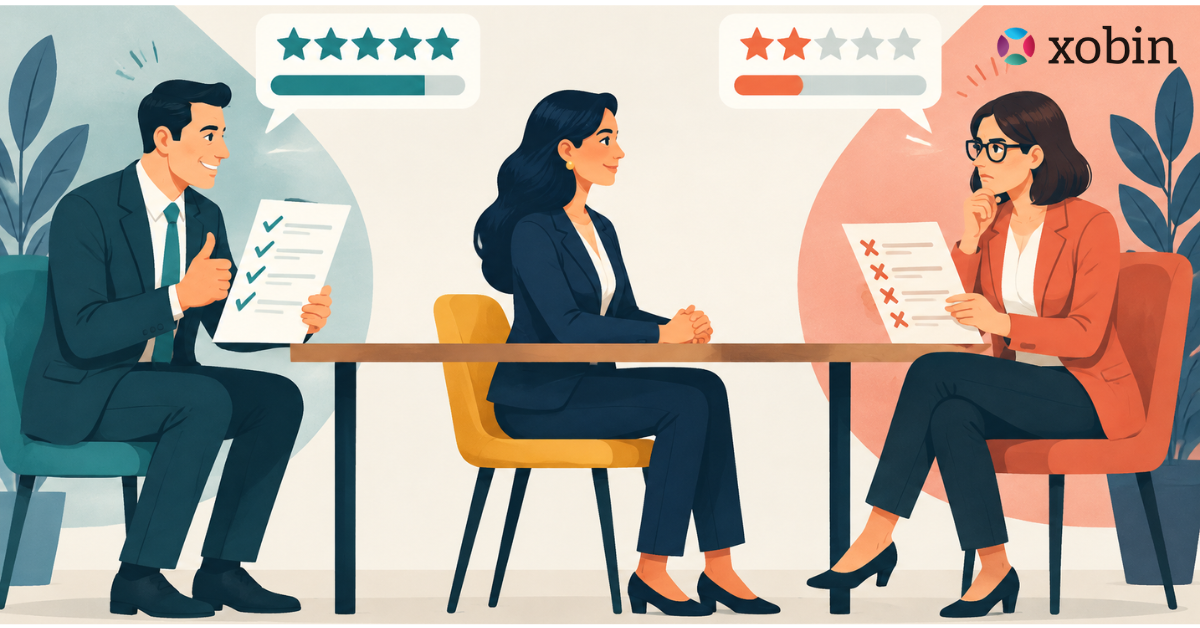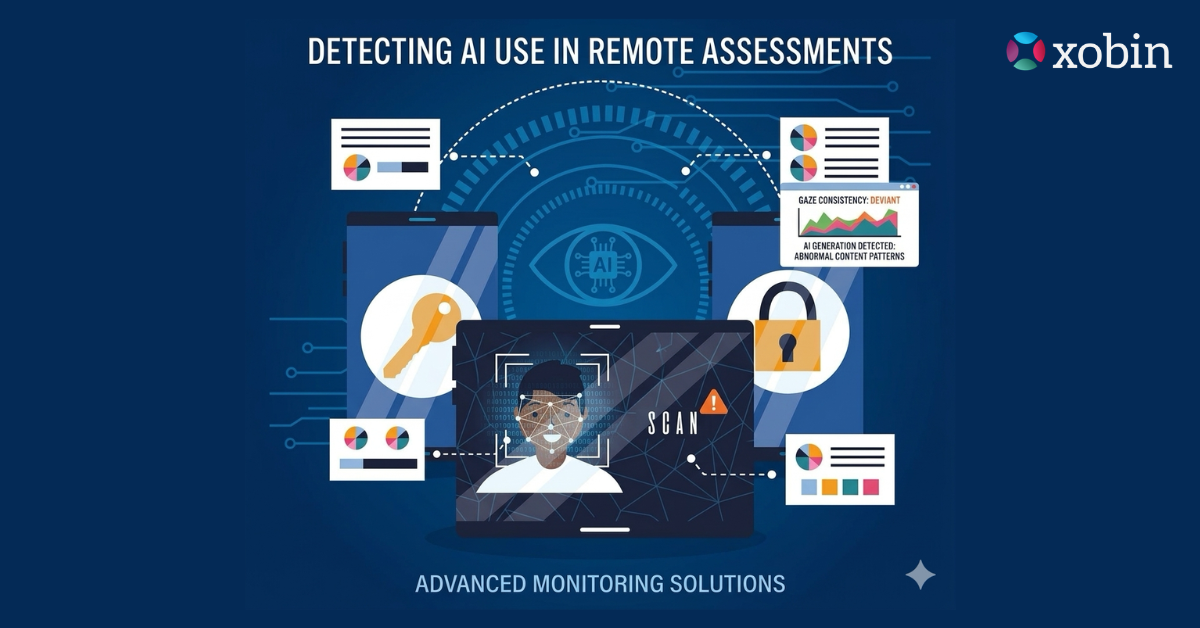

Remote hiring isn’t a new concept for recruiters and HR teams. For years, it had been discussed as a passing trend. However, the COVID-19 pandemic has forced all teams to work remotely, making pre-employment testing an essential tool for evaluating job candidates effectively.
Hiring candidates without an onsite interview is hard. Of course, we’ve all heard of the common issues and excuses. From internet connectivity issues, and technical issues to personal obligations at home. There are many such problems that can make remote recruitment a lengthy and exhausting process.
Nothing can truly match the insights derived from an in-person meeting. However, today’s unique scenario has thrown up several questions and challenges.
With the lack of face-to-face interaction, how does one differentiate a genuinely qualified candidates from those who do not have prior experience ?
How does one assertain that the candidate has enough expertise to operate at their optimum level outside a traditional office setups ?
In this article, we delve deeper into the best practices that recruiters can adopt during remote hiring.

TL;DR – Key Takeaways
- Use prerecorded video questions to screen candidates before live interviews, and avoid adding interview rounds that make the hiring process too long.
- Evaluate remote working qualities such as communication skills, work ethics, adaptability, flexibility, and independent problem-solving through targeted questions.
- Use psychometric and personality assessments to gauge whether candidates can fit well in both virtual and traditional office environments.
- Observe candidates throughout the hiring process for punctuality, company knowledge, confidence, enthusiasm, and a professional tone.
- Assign shortlisted candidates a relevant test project lasting only a few hours to help both sides understand what working together would be like.
1. Strengthen Remote Hiring with Video Interviews
A remote hiring process is pretty much the same for on-site employees. In fact, the bar is just as high. All the job prospects have to undergo the interview screening process, including:
- A phone screening
- Job Assessment Test
- On-site interview
However, in the wake of the pandemic, there’s no question of calling the candidates for on-site interviews.
Needless to say, video calls via Zoom or Google Meet come to the rescue. Sounds great, right? Yet there’s a problem.
Many companies are introducing more rounds of interviews for in-depth conversations. An attempt to make up for the lack of in-person interactions.
However, they often end up losing talented candidates just because the hiring process was too long!
Don’t worry! Here’s what you can do:
- Optimize recruiting speed: Have candidates answer a few common questions in a pre-recorded video interview. Jump to a video interview with the ones who are able to get past the screening process. Try tools like myInterview and Xobin.
- Leverage panel interviews with multiple team members. Encourage the recruiters to be patient and empathetic. Give the candidate enough time and space to show their best.
- Calendar Planning: Each week, Set aside a particular day and time for interviews. Specify your time zone in all candidate communication to avoid candidate no-shows.
2. Look for Qualities that are in sync with Remote Working
Employers have to consider certain factors to ensure that the new staff can thrive both in a remote working environment.
Some of the Qualities that you might consider are:
- Good communication skills via phone, email, and other platforms
- Work ethics
- Adaptability and Flexibility
- Independent problem-solving skills
Additionally, you can ask the candidates specific questions like:
- How do you work effectively under pressure?
- In remote conditions, how do you or will you set your daily goals?
- How do you handle a challenging situation?
- Have you worked with a virtually distributed team?
- What do you do to stay focussed on your day-to-day tasks?
With a simple questionnaire, you will save time and sort out the right candidates early on in the hiring process.
3. Conduct Personality Assessment Tests
Working from home is not a cup of tea for everyone. Some personality types find it relatively easier than others. Many are self-starters, while others rely on getting instructions before they decide to get ahead with work.
Psychometric and Personality assessments or quizzes can be a great way to gauge if the job candidate can fit well in the virtual as well as traditional office setup.
✅ Bonus Tip
Instead of a resume, ask the job aspirant to send you a video of themselves in which they tell you about their qualifications, job experiences, and best life moments.
You will get to know a lot about their personality.
4. Assess Non-Verbal Communication
Some qualities are hard to assess via telephonic or video interactions while candidates answer the interview questions.
When conducting interviews in a virtual environment, an interviewee’s specific actions can act as a game-changer.
Focus on their interaction throughout the hiring process to assess if they possess the attributes to regulate their day, organize (or reorganize) their tasks, and ask for help when needed to complete their goals.
Here are the most important signs to look for:
- Are they disciplined in terms of interviewing at the scheduled time?
- Are the applicants well-equipped with all the preliminary information about your company?
- Do they display maturity and confidence in their answers?
- How excited do they sound about being a part of the team?
- Lastly, do they have a professional tone?
5. Give Them a Test Project
Success in an interview doesn’t guarantee success on the job.
The problem, though, is that it becomes impossible to gauge work ethics and efficiency.
It would be best to devise and assign a test project for the shortlisted candidates. Those who wish to work for your company will happily finish up this added task.
Here’s how you can go about it:
- Organize a virtual meetup with the team.
- Give a behind-the-scenes glimpse at the job candidate. The test project will give both recruiters and interviewees an idea of what it is like to work together.
- Make sure the Assessment test is relevant and only takes a few hours. You can use training and assessment software to create one that can be easily taken during online interviews.
Navigating The New Normal In Remote Hiring
While the remote hiring process comes with its own set of demands and challenges, the efforts are worth it.
As alluded to above, this article provides you with ideas on succeeding in remote hiring. In fact, to find the perfect candidate for your company, establish your own process. Design this process before you start searching for candidates.
Make sure you use the best hiring management tools. Maintain communication with the candidates and keep them updated on the recruitment process status.