XOBIPEDIA
HR Glossary
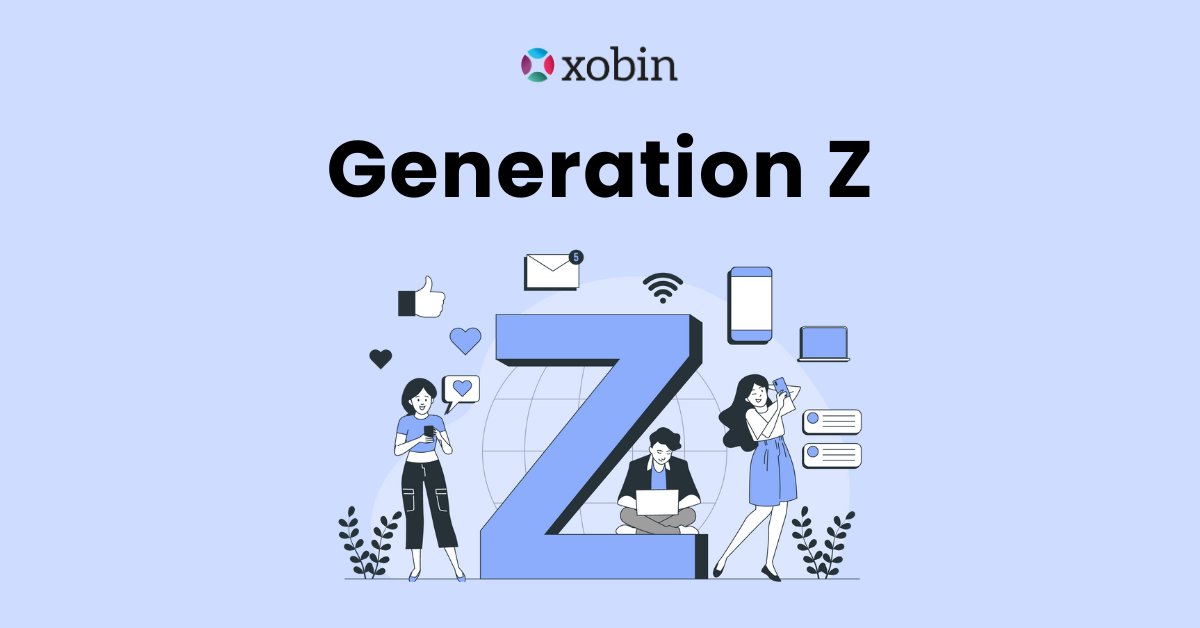
Table of Contents
Generation Z refers to individuals born roughly between 1997 and 2012, a workforce segment reshaped by digital fluency, social awareness, and a strong demand for meaningful work. As Gen Z enters organizations in large numbers, HR leaders face new challenges and opportunities related to engagement, retention, communication, and culture reshaping.
TL;DR
- Generation Z (Gen Z) are the people born roughly between 1997 and 2012.
- They are digital natives, mobile-first, and value speed and authenticity.
- Diversity and inclusion, flexibility, purpose-driven work, mental health, rapid career growth and work-life balance matter deeply to Generation Z.
- They prefer skills-based hiring, not just degrees or titles.
- Gen Z reshapes recruitment through expectations around technology and feedback.
- Employers must adapt culture, communication styles, assessment methods, and engagement strategies to hire and retain Gen Z talent effectively.
Understanding Generation Z in the Workplace
Generation Z, often called Gen Z, is the newest generation to enter the workforce in large numbers. These are people who grew up with smartphones, Wi-Fi, AI, social media, and instant access to information. This upbringing has profoundly shaped how they learn, work, communicate, and make career decisions.
Additionally, Gen Z is more diverse and socially conscious than previous generations. They value inclusivity, transparency, and ethical business practices. For HR leaders, this means that traditional hiring or retention tactics may no longer be effective. To attract this generation, organizations must redesign experiences with technology, empathy, and authenticity at the forefront.
Moreover, Gen Z employees expect real-time feedback, skill growth opportunities, and mental health support. Their loyalty is tied closely to continuous learning and a sense of purpose. Companies that fail to provide clear development paths or digital-first workflows risk high attrition rates among this age group.
💡 Pro Tip: Use skill-based assessments and transparent evaluation criteria to build trust with Gen Z candidates early in the hiring cycle.
Who Falls Under Generation Z?
Generation Z typically includes individuals born between 1997 and 2012, making them the newest and fastest-growing segment of the global workforce.
That means:
- College students entering the job market.
- Fresh graduates and early-career professionals
- Interns, apprentices, and junior employees
Unlike older generations like Millennials and Generation X, Gen Z stepped into adulthood during global uncertainty, including economic shifts, a pandemic, and rapid AI adoption. Naturally, this shaped their mindset.
Key Characteristics of Generation Z Employees
Understanding what drives Gen Z helps organizations create stronger engagement and retention strategies. Below are the fundamental traits shaping their workplace behavior.
1. Digital Fluency and Tech Dependence
Raised in an era of instant connectivity, Gen Z expects seamless digital experiences at work, from communication tools to recruitment processes. Clunky systems frustrate them and signal an outdated culture. Therefore, HR teams must streamline workflows using modern platforms, AI-driven hiring tools, and automated assessments to match Gen Z expectations.
Furthermore, Gen Z shows strong adaptability to new technologies, often learning faster than previous generations. They prefer asynchronous communication methods and digital collaboration tools, making hybrid teams more effective.
2. Focus on Mental Health and Well-being
Unlike older generations, Gen Z openly prioritizes mental wellness and work-life boundaries. They gravitate toward companies that provide psychological safety, flexible schedules, and empathy-driven leadership. Surveys show that over 70% of Gen Z consider mental health benefits a deciding factor when choosing employers.
Additionally, they value transparency around workload expectations and burnout prevention. HR leaders must adopt wellness policies, open communication channels, and supportive management styles to maintain morale and performance.
3. Values-Driven Decision Making
Generation Z cares deeply about corporate ethics, sustainability, and social impact. They prefer organizations that demonstrate diversity, inclusion, and environmentally conscious practices, not just in statements but in measurable actions. Authentic employer branding is critical, as Gen Z can quickly detect inconsistencies between messaging and reality.
Moreover, they expect leaders to address societal issues and uphold ethical business operations. This shifts the HR focus toward responsible leadership development and inclusive policy-making.
4. Desire for Skills Growth and Career Mobility
Gen Z prioritizes learning more than loyalty. They expect rapid development opportunities, mentorship access, and clear growth roadmaps. If growth stalls, they do not hesitate to change jobs. This creates both a challenge and an opportunity for organizations willing to invest in training, skills assessments, and internal mobility frameworks.
Skill-based hiring and competency mapping help align Gen Z’s desire for progress with organizational capability building.
5. Preference for Authentic, Two-Way Communication
Gen Z dislikes formality-driven top-down communication. They prefer leaders who communicate openly, share feedback transparently, and show vulnerability. Real-time coaching resonates far more than annual reviews. Structured assessments, pulse surveys, and regular check-ins strengthen trust with this generation.
How Generation Z Approaches Learning and Development
Traditional training doesn’t excite Gen Z. Long lectures? Not really.
They prefer:
- Short, interactive learning modules
- Real-world simulations
- Continuous feedback
This is where employee skills assessment and role-based evaluations become imperative. Gen Z wants to see growth, not just promises.
Generation Z and Career Expectations
Generation Z views careers differently from those before them. Long-term loyalty isn’t assumed anymore. However, growth still changes everything.
When Gen Z sees a future, they stay.
What shapes that decision isn’t complicated, but it is intentional.
- They look for clear career paths that don’t feel vague.
- They expect real opportunities to upskill, not empty promises.
- They also care deeply about performance evaluations that feel fair, transparent, and consistent.
This is where structured talent assessment software makes a difference. When organizations invest in it, Gen Z doesn’t just notice. They feel recognized, supported, and genuinely valued.
How Generation Z Is Changing Hiring Practices
Let’s call it what it is! Gen Z is already redefining how hiring works, and most organizations are simply catching up. Whether employers are ready or not, recruitment norms are shifting in real time.
Resume-Only Hiring Is Losing Its Influence
Gen Z understands something many systems still ignore: resumes don’t always tell the full story. Titles can be inflated. Experience can be overstated. Because of that, they place more trust in what actually demonstrates ability, such as
To them, these methods feel more transparent and more earned. Above all, objective evaluations signal fairness, and fairness matters deeply to this generation.
Challenges of Managing Generation Z Employees
No generation comes without its own learning curve, and Gen Z is no exception. That’s not a flaw. It’s context.
Some of the most common challenges leaders notice include:
- Shorter attention spans, especially in repetitive environments
- High expectations are set earlier in their careers than in previous generations.
- Clear opinions, firm boundaries, and slight hesitation in expressing them
That said, when organizations take an assessment-driven approach, these same traits often shift from friction points into real advantages. What looks challenging at first can quickly become a competitive strength.
Best Practices for Hiring and Retaining Generation Z
Hiring Generation Z isn’t about following trends. It’s about rethinking how work actually works for the next generation of talent. Organizations that succeed here don’t try to “manage” Gen Z differently; they build systems that respect capability, clarity, and growth.
That shift starts when you
- Focus on skills-based assessments
- Offer continuous learning paths
- Use transparent evaluation methods
- Provide real-time feedback
- Support mental well-being
When Generation Z feels respected, challenged, and trusted, something powerful happens. They don’t merely adapt to the workplace; they elevate it.
FAQs
1. What is Generation Z known for?
Generation Z is known for being digital-native, socially aware, and intensely focused on skills, mental health, and meaningful work. Having grown up with constant technology access, they expect speed, relevance, and authenticity in both work and life.
2. What motivates Generation Z at work?
Generation Z is motivated by purpose-driven work, mental well-being, flexibility, and rapid learning opportunities. Transparent leadership and environments that support growth tend to matter more to them than traditional perks or titles.
3. How is Generation Z different from Millennials?
Generation Z differs from millennials in that they are true digital natives, not digital adopters. They are less tolerant of outdated systems, more value-driven, and more open about mental health, while expecting faster feedback and clearer career direction.
4. What challenges do HR teams face when managing Gen Z?
HR teams often struggle with Gen Z’s high expectations for development, demand for digital-first workflows, and need for ongoing mental health support. Rigid hierarchies and slow decision-making are common friction points.
5. What hiring strategies work best for Generation Z?
The most effective hiring strategies for Generation Z include skill-based assessments, fast and mobile-friendly application processes, transparent feedback, and authentic employer branding that reflects real workplace culture.
6. How can companies retain Generation Z talent?
Companies retain Generation Z by offering clear career paths, continuous learning, supportive leadership, mental wellness resources, and flexible work models that respect autonomy and work-life balance.
Recommended Content

Video Interviews can simplify your hiring
Don’t let a packed schedule be a hindrance in recruitment. Use structured interviews with the power of video to screen applicants. Understand the communication skills, motivation, and job skills using video interviews.

Pre-employment Testing: The Complete Guide
Move over from pen-paper based tests and manually checked assignments to pre-employment assessments. Democratize your organization hiring by screening for skills before you interview.
How can Employers adapt to Remote Hiring
With most jobs going remote, your best applicants could be in Melbourne or Miami. From remote screening and virtual interviews to remote onboarding, Learn the best practices to get started.