
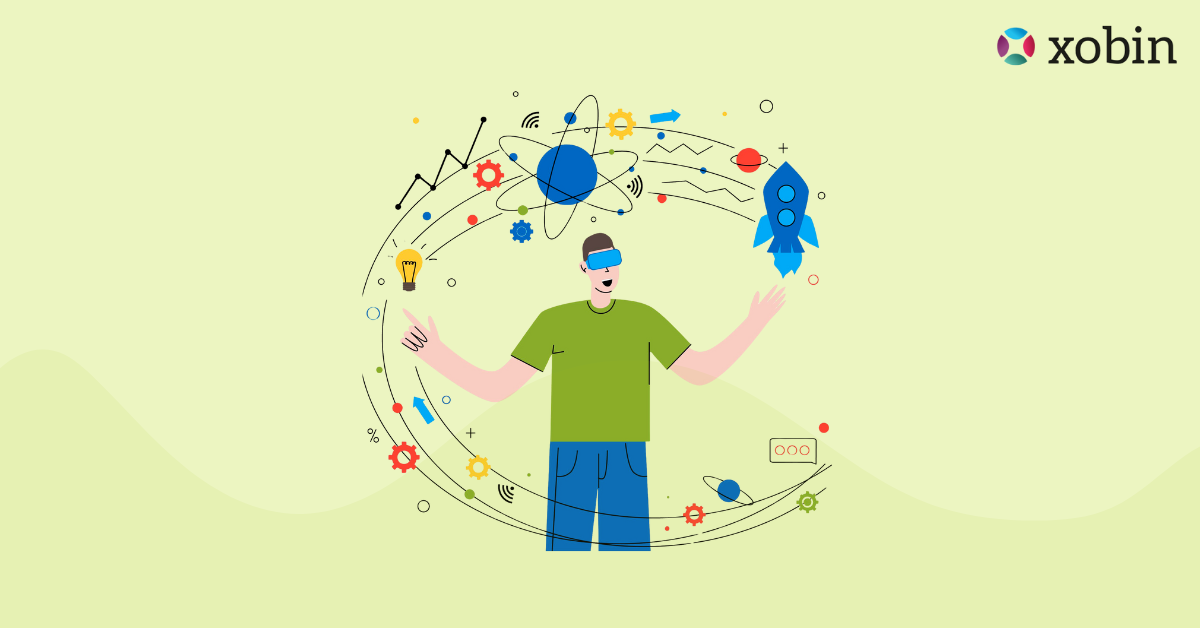
The next decade will reshape the global workforce more dramatically than any period in modern history. Automation, AI, demographic shifts, and new business models are transforming how companies operate and the type of talent they need. Yet many organizations still struggle to identify which future-ready skills matter most to stay competitive.
Table of Contents
This blog breaks down the essential skills employees will need in 2026 and beyond. As organizations rethink future skills for the workforce, leaders must align capability-building with long-term strategy.
TL;DR
- By 2026, automation and AI will reshape 30–40% of existing roles; adaptability, human judgment, and tech fluency will be essential.
- Leaders must focus on future-ready skills such as digital literacy, critical thinking, collaboration, creativity, and ethical decision-making.
- Behavioral, cognitive, and technical skill development will determine talent competitiveness.
- Skills-first hiring and internal upskilling will outperform degree-based recruitment.
- Xobin supports future-skilling through AI-driven assessments, behavioral insights, coding simulators, and internal talent evaluation tools.
Why Future-Ready Skills Have Become a Strategic Imperative
As work transforms, the half-life of skills has dropped to less than four years. Employees who rely solely on traditional experience or formal education often find themselves unprepared for evolving job expectations.
Meanwhile, organizations face widening talent gaps in AI, analytics, communication, leadership, cybersecurity, and collaboration. These shifts pressure companies to evolve quickly and identify skills for the future workforce that drive long-term resilience.
For executives, the challenge is twofold:
- Securing talent with strong foundational skills that remain relevant despite change.
- Identifying which emerging skills will unlock future growth, resilience, and innovation.
Moreover, workforce disruption isn’t only technological. Geopolitical shifts, aging populations, remote work trends, and digital business models compound complexity. Without a skills-first strategy, organizations risk operational inefficiencies, innovation stagnation, and escalating hiring costs.

Core Categories of Future-Ready Skills (2026 and Beyond)
Future-ready skills fall into three interconnected categories: cognitive, technical, and behavioral. Each plays a critical role in navigating the job skills needed for the future.
1. Cognitive & Analytical Skills
Critical Thinking and Complex Problem-Solving
In a world where AI handles routine tasks, human workers are increasingly responsible for addressing high-complexity challenges. Critical thinking involves evaluating information objectively, identifying root causes, and making sound judgments amidst uncertainty.
This skill is essential because organizations must make faster decisions with incomplete data. From strategic planning to crisis management, future leaders require analytical agility.
Data Literacy
By 2027, nearly 70% of job roles will require some level of data literacy. Employees must read, interpret, and make decisions based on data even in non-technical roles.
Data-literate employees can:
- Identify trends,
- Draw insights,
- Ask better questions, and
- Strengthen decision accuracy.
Systems Thinking
Business operations are becoming more interdependent, tech, supply chain, customer experience, and finance are all intertwined. Systems thinkers see the bigger picture, anticipate ripple effects, and collaborate across functions, accelerating better enterprise-wide outcomes.
2. Technical & Digital Skills
AI, Automation, and Machine Learning Literacy
Employees don’t need to be data scientists to work with AI. However, understanding how AI systems function, their limitations, and ethical considerations will be mandatory. These skills support adoption and ensure that employees collaborate effectively with AI-driven tools.
Cybersecurity Awareness
With cyber threats increasing exponentially, cybersecurity isn’t just an IT problem. Every employee must understand secure behavior like password hygiene, phishing detection, and data privacy protocols.
Cloud & Digital Infrastructure Skills
Cloud computing now underpins nearly every business function. Teams must navigate SaaS platforms, digital workflows, remote collaboration tools, and modern infrastructure setups to stay productive.
Coding, Software Fluency & Low-Code Development
Even non-technical roles benefit from basic coding knowledge. Low-code platforms allow employees to automate repetitive work, build workflows, and improve efficiency without engineering intervention.
Human-AI Collaboration Skills
AI isn’t replacing humans; it’s amplifying them. Future-ready workers must know when to rely on AI, when to question it, and how to integrate human judgment with machine outputs, a capability McKinsey identifies as essential for enterprise competitiveness.
3. Behavioral & Interpersonal Skills
Adaptability and Change Agility
By 2026, employees will face continual business model shifts, role changes, hybrid work environments, and new technologies. Adaptability, which means the ability to pivot quickly and effectively, becomes essential.
Collaboration & Cross-Functional Communication
Distributed teams are now the norm. Employees must communicate clearly, lead virtual meetings, and collaborate across geographies, functions, and cultures.
Creativity & Innovation
AI can generate content, but it cannot replicate human imagination. Creativity fuels new products, processes, and business strategies. Organizations that cultivate innovation-ready teams outperform peers across revenue and retention.
Emotional Intelligence (EI)
EI supports leadership, conflict resolution, customer success, and team cohesion. As AI handles transactional tasks, emotional intelligence becomes a key differentiator for human-led roles.
Ethical Reasoning & Decision-Making
AI governance, data privacy, sustainability, and social responsibility require employees who can evaluate consequences and act ethically. These skills protect organizational reputation and regulatory compliance.
Workforce Trends Shaping Future Skill Priorities
Several megatrends will determine which skills matter most in 2026 and beyond.
AI Adoption and Workforce Augmentation
Companies across industries from manufacturing to healthcare are adopting AI to automate operations. With AI screening candidates, analyzing workflows, and driving performance data, talent needs shift toward oversight roles that require judgment, creativity, and strategic thinking.
Insights from hiring trends research also show significant investment in AI-powered recruitment and upskilling, a theme echoed across modern HR technologies.
Remote Work, Hybrid Teams, and Digital Collaboration
Location-independent workforces require stronger communication, collaboration, and digital fluency. Teams must work asynchronously, communicate across cultures, and navigate digital project management tools.
Skills-First Hiring Over Degrees
The rise of skills-based recruitment indicates that competencies, not academic qualifications, determine performance and potential. Skills-first organizations achieve stronger retention, fairer hiring, and more diverse talent pipelines.
Xobin’s product documentation emphasizes how companies rely on skill assessments and competency frameworks to hire and evaluate talent.
Cybersecurity Threats and Data Governance
Cyberattacks are escalating. Every employee becomes a potential vulnerability or a protective layer, making cybersecurity literacy a universal requirement.
Continuous Upskilling as a Business Strategy
As the skill half-life shrinks, organizations must offer continuous learning, internal mobility, and upskilling programs. This shift not only builds resilience but also reduces hiring costs.
Want to build a skills-first culture? Start evaluating future-ready skills using AI-powered assessments today!
Book A DemoThe Top Future-Ready Skills Every Workforce Needs
This section explores the most strategic future-ready skills, why they matter, and how they drive organizational performance.
1. Digital Literacy: The Non-Negotiable Foundation
Digital literacy refers to the ability to operate digital tools, platforms, and systems effectively. From CRM platforms to workflow automation systems, every employee must navigate digital environments confidently.
Why It Matters:
- Digital operations increase productivity.
- Digitally fluent teams adapt faster to new tools.
- It eliminates workflow bottlenecks caused by tech resistance.
2. Learning Agility: The Skill Behind All Skills
Learning agility is an employee’s capacity to learn, unlearn, and relearn quickly. It is one of the strongest predictors of long-term leadership success.
Why It Matters:
- Traditional career paths are disappearing.
- Employees who learn quickly reduce training costs.
- It supports internal mobility and role transitions.
3. Human-Centered Leadership
Future leaders must lead distributed teams, manage ambiguity, and foster psychological safety.
Key Components:
- Empathy
- Conflict resolution
- Influence without authority
- Decision-making under pressure
Organizations that cultivate human-centered leadership see higher retention, stronger cultures, and improved innovation outcomes.
4. Tech-Augmented Decision-Making
Employees must combine analytical reasoning with AI-generated insights.
Why It Matters:
- Reduces decision errors.
- Improves forecasting accuracy.
- Aligns operations with real-time data.
5. Creativity and Innovative Thinking
Creativity fuels product development, customer experience, and market differentiation. As AI automates routine work, creativity becomes essential for strategy, storytelling, and problem-solving.
6. Ethical & Responsible AI Understanding
With increased AI use comes responsibility. Employees must understand:
- Bias in algorithms
- Data privacy
- Societal impact
- Regulatory implications
This ensures the organization uses AI responsibly and maintains compliance.
How Organizations Can Build a Future-Ready Workforce
1. Adopt Skills-First Hiring Models
Skills-first hiring reduces bias, enhances capability alignment, and increases performance predictability. Tools like skill assessments, behavioral testing, and AI-driven matching ensure objective hiring decisions. Xobin’s platform is built for organizations transitioning to skills-first decision-making.
2. Create Internal Upskilling Pathways
Internal mobility programs help employees grow into future roles. Upskilling initiatives reduce external hiring dependency and improve retention.
3. Leverage Assessments for Skill Mapping
Skill audits and competency mapping help identify organizational strengths and gaps. Regular assessments ensure workforce readiness for evolving business needs.
4. Strengthen Learning Ecosystems
Future-ready organizations offer:
- Microlearning modules
- Certification paths
- Leadership development programs
- Rotational assignments
These programs cultivate agile, resilient employees.
Build a Future-Ready Workforce with Xobin!
Xobin enables this transformation by helping companies assess the right skills, identify potential, drive internal mobility, and make confident, unbiased talent decisions at scale.
- AI-Based skills Assessments
- Psychometric & Behavioral Assessments
- AI Resume Parsing & Fitment Score
- Coding Assessments & Advanced IDE Simulator
- Internal Employee Evaluation Tools
- AI-Based Proctoring for Integrity
Together, these capabilities help organizations transition from outdated hiring models to a skills-first, future-ready, and data-driven talent strategy.
Ready to future-proof your workforce? Book a personalized demo with Xobin today and start building a skills-first organization.
FAQs
1. What are future-ready skills?
Future-ready skills are the technical, cognitive, and behavioral abilities employees need to perform effectively in tomorrow’s evolving work environments, especially with advancements in automation and AI.
2. Why are future-ready skills important for organizations?
These skills help companies stay competitive, improve innovation, reduce hiring risks, and adapt quickly to market and technology changes.
3. How do future-ready skills affect hiring?
Organizations increasingly rely on skills-first hiring models using assessments and competency mapping to evaluate candidates based on performance potential rather than degrees.
4. What technical skills will be most in demand by 2026?
AI literacy, data analysis, cybersecurity, cloud computing, coding, and automation-related competencies.
5. Can behavioral skills be assessed objectively?
Yes. Platforms like Xobin provide validated psychometric assessments to measure traits such as adaptability, emotional intelligence, accountability, and collaboration.
6. How can companies identify future skill gaps?
Conduct skill audits, use assessment platforms, analyze performance data, and map skills to future business priorities.