
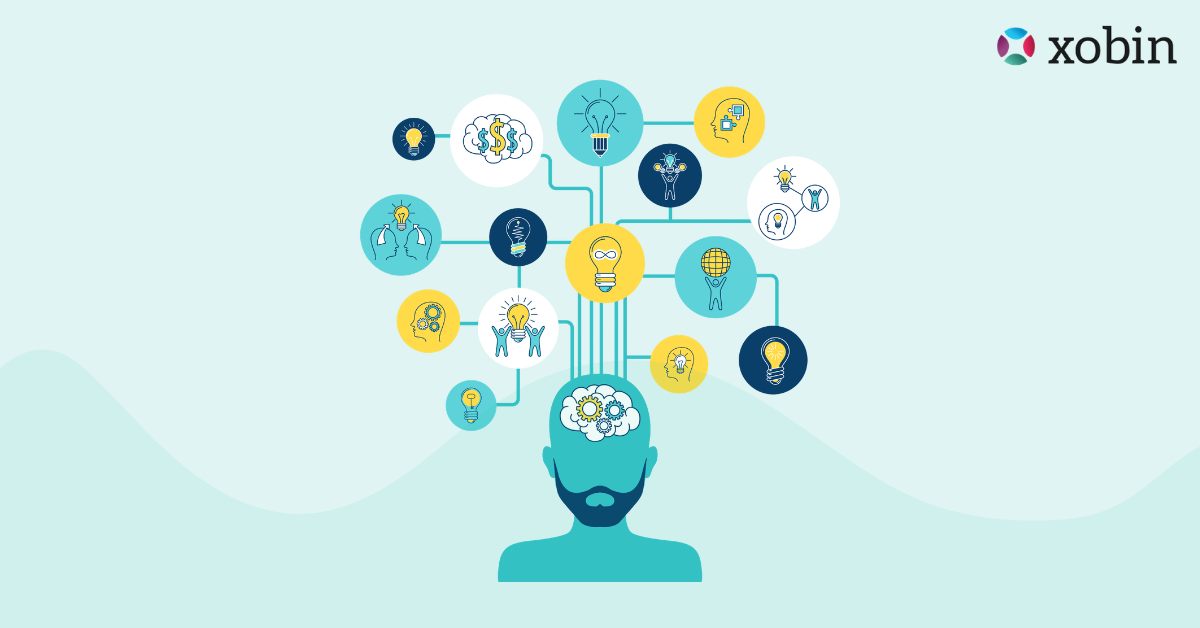
Today’s talent market is highly volatile, and resumes no longer tell the complete story. Degrees are becoming less reliable indicators of performance, while job roles continue to evolve at a rapid pace. As a result, skill gaps are expanding across industries. Therefore, organizations must rethink how they identify and evaluate talent. This is why skills intelligence is emerging as a transformative HR strategy. Instead of hiring based on job titles or years of experience, forward-thinking organizations now use data to identify, map, and deploy skills in a strategic way.
Table of Contents
In this blog, we explain why skills intelligence is shaping the future of HR and how leaders can apply it to build a resilient, future-ready workforce.
TL;DR – Key Takeaways!
- Skills intelligence uses AI and data analytics to map, measure, and predict workforce skills.
- Organizations are shifting to skills-first hiring due to talent shortages and digital transformation.
- It improves workforce planning, internal mobility, diversity, and quality of hire.
- AI-powered assessments and analytics are critical enablers of skills intelligence.
- Companies adopting skills intelligence outperform peers in agility and retention.
What is Skills Intelligence?
Skills intelligence refers to the systematic use of data, AI, and analytics to identify, assess, track, and predict workforce skills across an organization. Unlike traditional HR systems that rely on job titles or static resumes, skills intelligence focuses on real, measurable competencies.
At its core, it answers four strategic questions:
- What skills do we currently have?
- What skills do we need?
- Where are the gaps?
- How do we bridge them efficiently?
In a skills-first organization, roles are built around capabilities rather than credentials. For CHROs and CEOs, this approach shifts HR from a support function to a strategic growth driver.
According to a Deloitte Human Capital report, organizations adopting skills-based models are 63% more likely to achieve business outcomes faster than competitors using traditional role-based structures.
💡 Pro Tip: Start with a comprehensive skills audit before launching transformation initiatives. Without a baseline, skills intelligence becomes guesswork rather than strategy.
Why Skills Intelligence is Gaining Momentum
1. The Acceleration of Digital Transformation
Digital and AI disruption is reshaping every industry from IT and finance to healthcare and manufacturing. New technologies like AI, cloud computing, and cybersecurity demand skills that didn’t exist five years ago.
Traditional hiring models cannot keep pace with this rapid shift. In contrast, skill intelligence delivers real-time visibility into changing skill demands and workforce readiness.
Moreover, the future of jobs report 2025 by World Economic Forum shows that nearly 39% of core workforce skills will change within the next five years. Therefore, organizations without dynamic skill mapping risk falling behind.
2. Talent Shortages and Skill Gaps
The global talent shortage has intensified, particularly in technology and advanced analytics roles. Hiring solely based on degrees limits access to capable candidates.
A skills-intelligence framework uncovers transferable skills and reveals hidden talent across the workforce. For example, a data analyst can move into a data engineering role with minimal upskilling when organizations identify skill adjacency early.
This reduces external hiring costs and strengthens internal mobility; these are the two priorities for modern HR leaders.
3. The Shift to Skills-Based Hiring
The shift toward skills-first hiring is no longer experimental; instead, it is strategic. As a result, leading enterprises are removing degree requirements and focusing on validated competencies.
Skills intelligence enables this shift by offering measurable insights through the following:
- Cognitive assessments
- Technical skill tests
- Behavioral profiling
- Communication analysis
Instead of relying on intuition, recruiters make decisions backed by data.
Ready to move beyond resumes? Start measuring real skills to unlock hidden talent.
Book A DemoKey Components of a Skills Intelligence Framework
Building a strong skills intelligence ecosystem requires integrated capabilities.
1. Skills Taxonomy and Mapping
A structured skills taxonomy defines competencies across departments and levels. It categorizes technical, behavioral, and cognitive skills, creating a common language across the organization.
Without standardized taxonomy, skills data becomes fragmented and inconsistent.
For example, “data visualization” must mean the same competency whether in marketing, finance, or engineering. Standardization ensures strategic workforce alignment.
2. AI-Powered Skill Assessment
AI Assessment tools provide objective skill measurement. AI enhances this process by evaluating technical answers, coding challenges, and even communication fluency.
Advanced platforms now score long-form responses, analyze coding logic, and benchmark performance against peer groups. This level of insight forms the backbone of actionable skills and intelligence.
Moreover, AI reduces unconscious bias, increasing fairness in hiring and promotion decisions.
💡 Pro Tip: Combine psychometric testing with technical assessments to gain a 360-degree skill view—competence without culture alignment rarely drives performance.
3. Workforce Analytics and Predictive Insights
Skills data becomes powerful when paired with analytics dashboards. HR leaders can:
- Identify skill gaps by department
- Predict future hiring needs
- Benchmark internal talent against market standards
- Track upskilling progress
Predictive modeling helps anticipate which roles may become obsolete and which emerging skills require immediate investment.
This transforms workforce planning from reactive to proactive.
4. Continuous Learning and Internal Mobility
Skills intelligence is not a one-time audit; it’s a dynamic process. Organizations must continuously update skills data and link it with L&D programs.
When employees see clear pathways for growth, engagement improves significantly. LinkedIn’s Workplace Learning Report notes that companies emphasizing internal mobility retain employees nearly 2x longer.
A skills-based talent marketplace within organizations fosters agility and reduces dependency on external hiring.
Strategic Benefits of Skills Intelligence for C-Suite Leaders
Enhanced Workforce Agility
In volatile markets, agility determines survival. Skills intelligence allows rapid redeployment of talent across projects. Instead of layoffs during transformation phases, companies can reskill employees efficiently.
Improved Quality of Hire
Data-driven assessments ensure candidates meet both technical and behavioral benchmarks. This directly impacts productivity, innovation capacity, and long-term retention.
Stronger DEI Outcomes
By focusing on measurable skills rather than pedigree, organizations widen access to diverse talent pools. This reduces bias tied to education, geography, or background.
Cost Optimization
Hiring mistakes are expensive. The U.S. Department of Labor estimates a bad hire can cost up to 30% of the employee’s annual salary. By leveraging skills and intelligence, companies minimize costly mis-hires and accelerate onboarding productivity.
Turn Skills Data into Smarter Hiring Decisions with Xobin
Implementing skills intelligence requires the right technological infrastructure. Xobin’s AI-powered talent assessment platform enables organizations to build a skills-first workforce through data-backed insights.
With 3,400+ customizable skills assessments, AI-based resume parsing, automated video interviews, psychometric testing, and advanced coding simulators, Xobin helps organizations measure real capabilities, not assumptions.
Additionally, Xobin’s AI-based proctoring ensures test integrity through eye-gaze tracking, browser monitoring, and unauthorized device detection-making skill validation secure and audit-ready.
From actionable reports and predictive analytics to seamless ATS integration, Xobin transforms fragmented hiring data into structured skills intelligence, empowering HR leaders to hire smarter, faster, and without bias.
If you’re ready to transition toward a skills-first organization, book a personalized demo today and discover how Xobin can power your skills intelligence journey.
FAQs
1. What is skills intelligence in HR?
Skills intelligence is the use of AI and analytics to map, measure, and predict workforce skills, enabling data-driven hiring and workforce-planning decisions.
2. Why is skills intelligence important for organizations?
It helps identify skill gaps, improve hiring accuracy, strengthen internal mobility, and align talent strategy with business goals.
3. How does skill intelligence improve hiring?
By using objective assessments and AI-based analytics, companies evaluate real competencies rather than relying solely on resumes or interviews.
4. Is skills intelligence only useful for large enterprises?
No. Startups, SMBs, and enterprises alike benefit from structured skills mapping and assessment to prevent costly mis-hires and scale effectively.
5. How does AI support skills intelligence?
AI automates resume parsing, evaluates assessments, analyzes communication, predicts fitment, and generates performance insights, ensuring consistent and unbiased evaluation.